When it comes to optimizing your room’s storage without cramming in an extra cabinet, the trick is smart planning. Especially if you’re working with a small room, maximizing vertical storage and keeping the floor clear can make a world of difference in both aesthetics and functionality. Over my nine years fitting office furniture and layout consulting, I’ve learned that measuring floor space and obstacles accurately is step one — and that your desk size and chair clearance can either make or break the entire setup.
This guide will walk you through the easiest ways to add storage without adding bulky furniture, featuring practical tips, common pitfalls, and tools you should keep handy (yes, your trusty tape measure should live in your drawer for good reason). We’ll touch on vertical storage for small rooms, wall-mounted shelves for gaming setups, and how to keep the floor clear for easy movement and safety compliance (wink to OSHA’s workspace guidelines).
Why Avoid Adding Another Cabinet?
Adding a cabinet might seem like the straightforward storage solution, but cabinets often:
- Take up vital floor space Can obstruct door swings or pathways Limit your flexibility for desk positioning or chair movement Can make the room feel cramped or cluttered
Instead, focusing on vertical storage or wall-mounted shelves can free up floor space to keep your room feeling open and functional.
Step 1: Measure Floor Space and Identify Obstacles
Before you do anything else, grab your tape measure and a simple floor plan sketch. I mean really sketch it out — doors (and their swing arcs), windows, heaters, outlets, and other built-in features that can affect placement. Don’t forget to note where your power outlets are located as that will influence desk placement, especially if you're powering gaming rigs or monitors.
Key Measurements to Take:
- Room length and width Door width and swing path Window placement and size Distance between outlets Clearance between walls and existing furniture
OSHA (Occupational Safety and Health Administration) recommends keeping pathways clear and unobstructed for emergency egress, so be mindful not to block exits or create cramped walkways when adding storage. It’s not just about looks — it’s about safety.
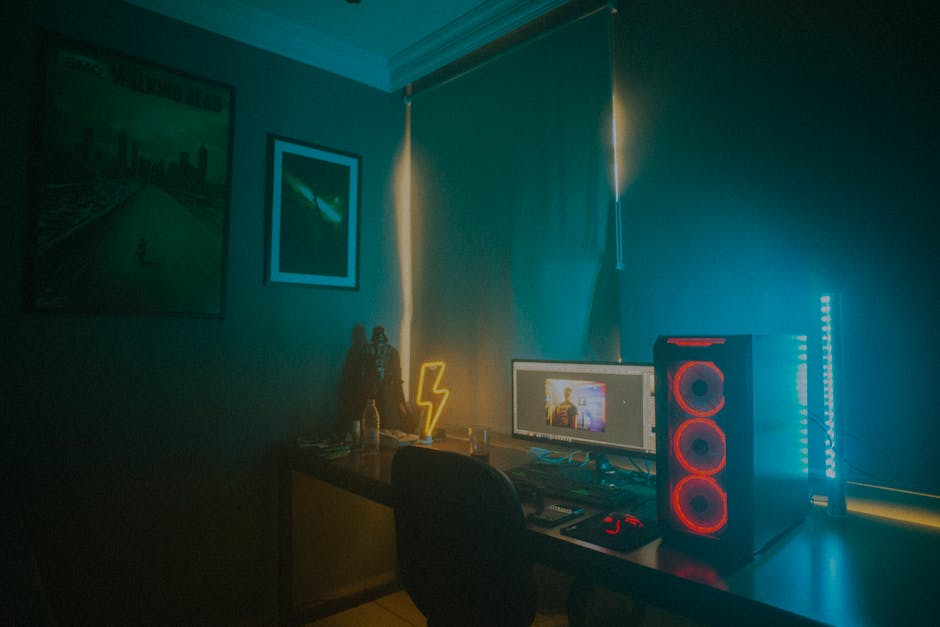
Step 2: Match Your Desk Size to Equipment and Activity
This is my pet peeve: buying a massive desk that chair clearance behind desk leaves zero room to breathe or push your chair back. Whether you’re working from home or setting up a gaming station (maybe you’re taking a break from an online casino like mrq.com), your desk has to fit your gear and leave you space to perform comfortably.
How to Choose the Right Desk Size:
Measure your monitor’s real width and height — don’t assume diagonal screen size equals desk footprint. For example, a 27-inch monitor is roughly 24 inches wide. Allow at least 6 inches of additional space on each side for speakers, controls, or other peripherals. Consider your keyboard and mouse setup, ensuring they sit comfortably without crowding. Think about your activity: Are you primarily typing, drawing, or gaming? Gaming setups might need extra space for controllers and headsets.Once you know the ideal desk width and depth, check what fits in your measured floor plan without cramping the space or blocking doors.
Step 3: Chair Clearance Is the Make-or-Break Measurement
This one gets overlooked way too often, and then you spend hours trapped in a claustrophobic workspace. Aim for at least 36 inches behind the desk so you can pull your chair back comfortably without it hitting walls or stored boxes.
Here’s a quick checklist:
- Measure your chair’s depth when pulled out (don’t forget to include the person sitting). Allow 12–18 inches of leg room for moving freely. Make sure your desk edges don’t intrude into doorways or traffic lanes.
Failing to check this can lead to turning your workstation into a squeeze point — trust me, you want to avoid that.
Step 4: Use Vertical Storage for Small Rooms
When floor space is tight, think vertical. Wall-mounted shelves for gaming or work are excellent for organizing gadgets, books, décor, or collectibles without taking up floor space. Here’s why they’re awesome:
- Keep your floor clear for movement and safety (hello, OSHA standards) Free up desk surface from clutter Allow customization with adjustable brackets or floating shelves Make art or monitors part of the setup if arranged smartly
Remember to check wall stud placement so shelves are sturdy, and use a level for neatness. I always keep my tape measure handy for these projects — helps avoid silly mistakes.
Ideas for Using Wall-Mounted Shelves
- Above your desk for frequently accessed items In nooks or corners where a cabinet won’t fit To display gaming memorabilia or trophies if you’re online casino fanatics (instant conversation starter!) For arranging charging stations without cables sprawling across the desk
Extra Tip: Incorporate Multi-Functional Furniture and Accessories
If shelves aren’t an option, consider adding storage with multi-functional furniture like desks with integrated shelving or under-desk storage baskets that don’t obstruct chair movement. Mobile drawer units on casters let you shift storage out of the way when needed.
Sample Room Layout Table
Feature Measurement Notes Room Dimensions 10 ft x 12 ft Standard small home office/game room Door Swing 29 in wide; swings inward, left Keep desk at least 3 ft from door arc Desk Size 48 in W x 24 in D Fits monitor + accessories comfortably Chair Clearance 36 in behind desk Ample room for chair pull-back and movement Wall-Mounted Shelves Installed 6 ft from floor; 12 in depth Store books, headphones, and gaming gearConclusion: Smart Planning Makes Storage Easy
Adding storage without piling on extra cabinets is not only possible — it’s the smarter choice for small rooms. It starts with careful measurement using a tape measure and a simple floor plan sketch, ensuring you understand your space’s limitations before making purchases.

Keep desk sizes proportional to your real equipment size, never compromise on chair clearance, and leverage vertical storage options like wall-mounted shelves, especially for gaming setups or workstations that mimic a professional office environment. Your floor should remain clear, pathways unobstructed, and your room safe and welcoming.
And remember, it’s not just about squeezing things in but about making a workspace (or gaming den!) that’s efficient, comfortable, and even compliant with safety standards like those from OSHA. Next time you’re tempted to just “get a cabinet,” rethink—it’s probably better to measure first, plan smartly, and add the right vertical solution instead.